

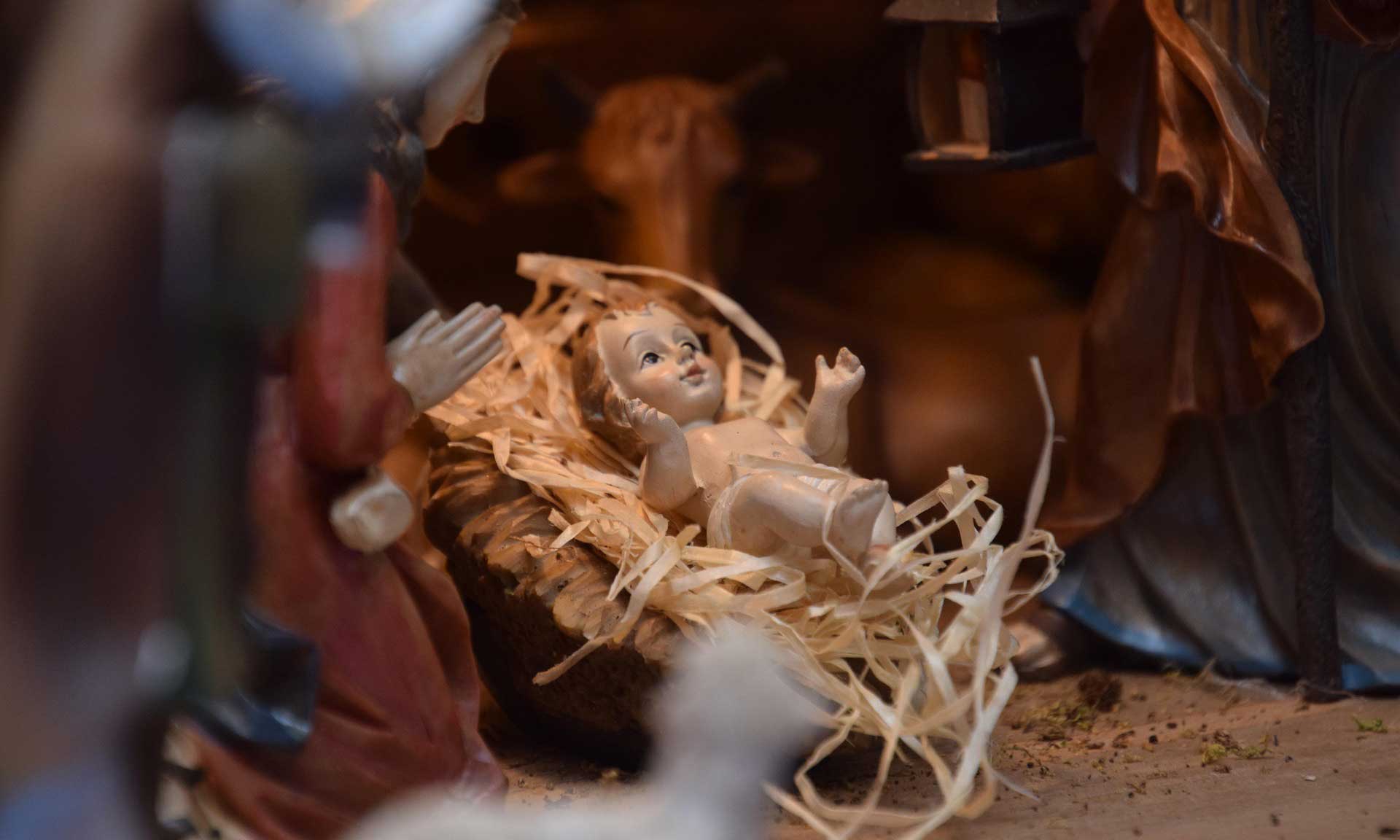
“The Case for Christmas” by Lee Strobel is a concise apologetic book (a condensed version of material from his larger work, “The Case for Christ”). In it, the former atheist and award-winning journalist investigates the historical and biblical evidence for the identity of the child born in Bethlehem, asking: Was Jesus truly the divine Son of God, or just a moral teacher, prophet, or myth?
Key Highlights and Structure
The book is structured around four main chapters, each presenting a type of “evidence” drawn from Strobel’s interviews with scholars in Bible studies, archaeology, theology, and messianic prophecy:
- The Eyewitness Evidence: Can the Biographies of Jesus Be Trusted? Strobel examines the reliability of the Gospel accounts (especially Matthew and Luke’s nativity stories). He argues that the Gospels are based on early eyewitness testimony, written within the lifetime of contemporaries, and corroborated in key details, making them credible historical biographies rather than later legends.
- The Scientific Evidence: Does Archaeology Confirm or Contradict Jesus’ Biographies? Here, Strobel explores archaeological findings related to the era of the nativity, including details about Bethlehem, the census under Quirinius, and Herod’s rule. He concludes that archaeology supports (or at least does not contradict) the biblical narratives, including elements like the virgin birth and the historical context of Jesus’ birth.
- The Profile Evidence: Did Jesus Fulfill the Attributes of God? Strobel interviews experts on Jesus’ claims to divinity (e.g., his ability to forgive sins, moral perfection, and miracles). He presents evidence that Jesus exhibited attributes unique to God, supporting the idea that the baby in the manger was the incarnation of the divine.
- The Fingerprint Evidence: Did Jesus—and Jesus Alone—Match the Identity of the Messiah? This chapter focuses on Old Testament prophecies fulfilled by Jesus’ birth and life (e.g., born in Bethlehem, born of a virgin, a descendant of David). Strobel argues that the sheer number and specificity of these prophecies point uniquely to Jesus as the promised Messiah.
Conclusion and Overall Message
In the conclusion (“The Verdict of History”), Strobel ties the Christmas story to Easter, emphasizing that Jesus was born to die for humanity’s sins. He invites readers to move beyond holiday traditions and consider the compelling historical, prophetic, and textual evidence for Jesus’ divine identity.
The book is engaging, journalistic in style, and aimed at skeptics or seekers, encouraging readers to weigh the facts and decide for themselves. A revised edition incorporates updated scholarship, and it’s often praised for being concise, accessible, and evidence-based.
Watch the enlightening interview with the author.
Watch Our Special Message to You, “Christmas Blessings” from West Park Baptist Church.