

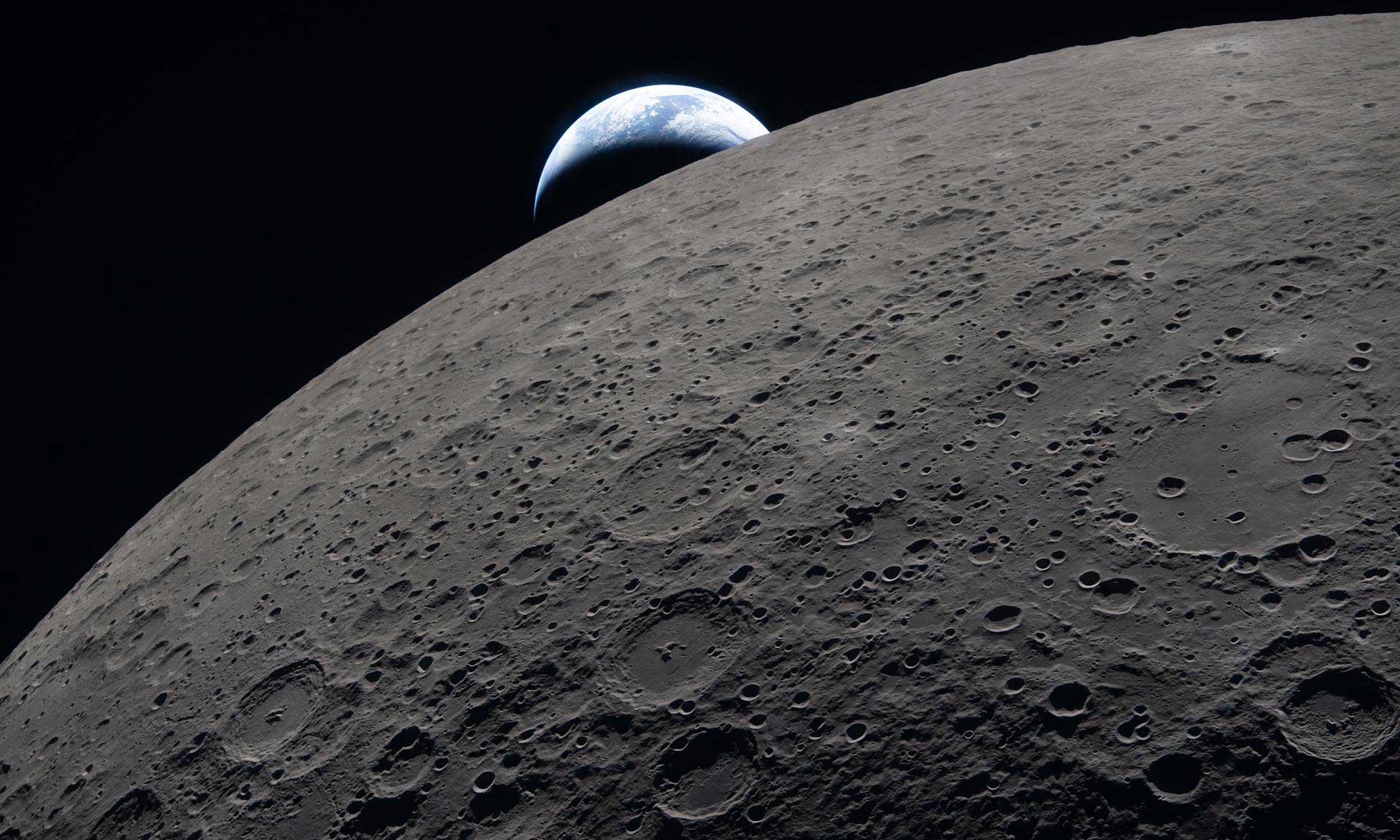
The exploration of the cosmos has always invited a deep sense of wonder, but for many, the journey into the heavens is a journey of faith in space that reinforces the glory of the Creator. As humanity prepares to return to the lunar vicinity with the Artemis II mission, the four astronauts—Reid Wiseman, Victor Glover, Christina Koch, and Jeremy Hansen—have made it clear that their voyage is not merely a triumph of engineering, but a profound spiritual odyssey. Their testimonies remind us that the further we travel from Earth, the closer we may find ourselves to the hand of God.
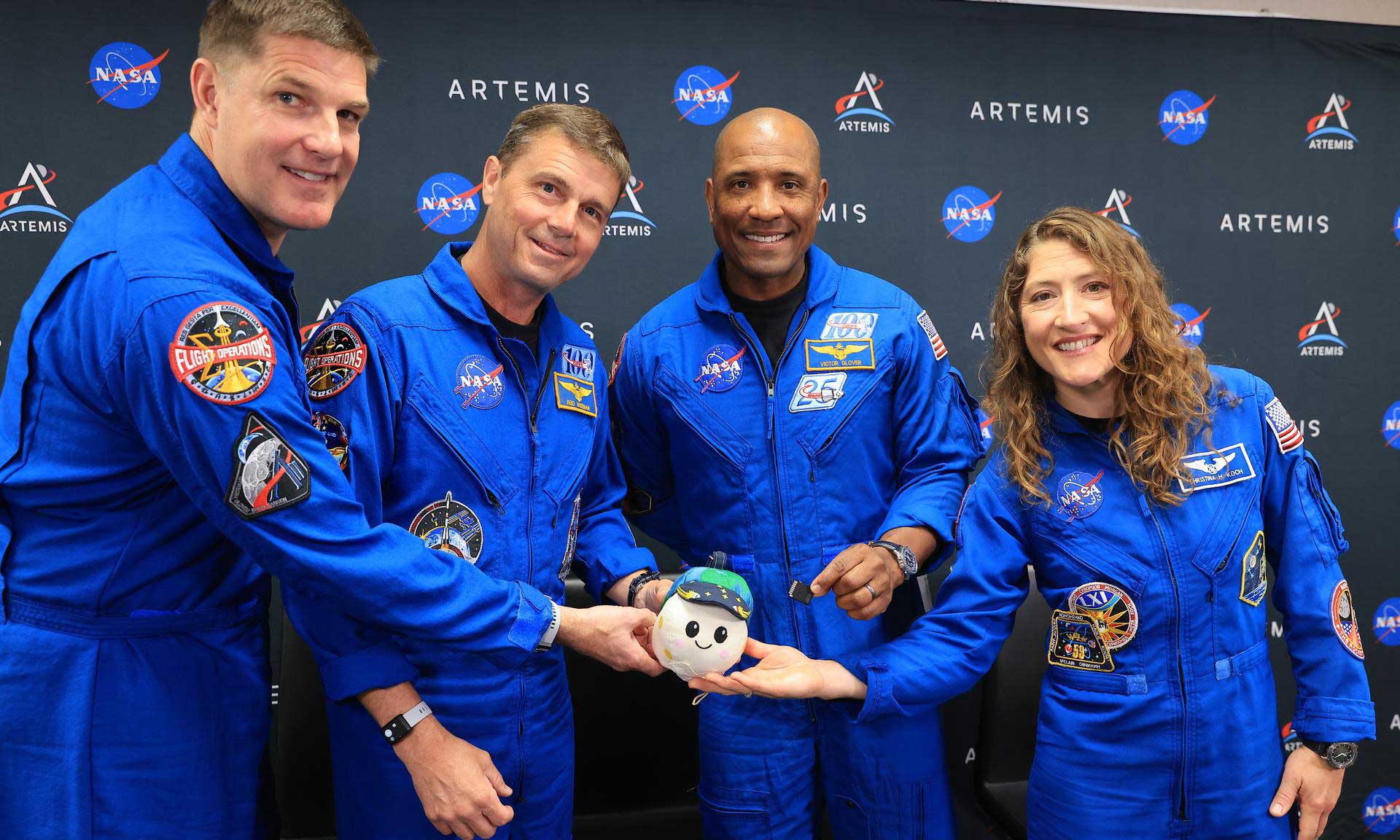
A Heavenly Perspective: Faith in Space and the Artemis Crew
For Pilot Victor Glover, faith is not a secondary concern; it is the foundation of his service. Glover, who previously made history by bringing a Bible and communion elements to the International Space Station, has spoken about how the “overview effect” serves as a spiritual awakening. He views his role through the lens of stewardship, often reflecting on the intricate design of the universe. His experience echoes the sentiment of Psalm 19:1, which declares, “The heavens declare the glory of God; and the firmament sheweth his handywork.” For Glover, seeing the curvature of the Earth isn’t just a lesson in geography—it is an encounter with the Divine Architect.
The Transformation of Reid Wiseman
Perhaps the most compelling narrative of the Artemis II mission is the spiritual evolution of Commander Reid Wiseman. Historically, a man of science and logic, Wiseman has publicly shared his journey toward Christianity. His conversion was born from a realization that the complexity and beauty of the cosmos could not be the product of mere accidents. Witnessing the vastness of the void and the fragile beauty of our “pale blue dot” led him to accept Christ, illustrating the truth found in Romans 1:20: “For the invisible things of him from the creation of the world are clearly seen, being understood by the things that are made, even his eternal power and Godhead.” Wiseman’s shift from secular observer to a man of faith proves that the more we learn about the universe, the more difficult it becomes to deny its Creator.
Lessons from the Lunar Frontier
What can we learn from these modern pioneers? Christina Koch and Jeremy Hansen have similarly expressed how the perspective of space fosters a deep sense of humility and interconnectedness. They remind us that human ambition is most noble when it is tempered by the recognition of our smallness in God’s vast kingdom. Through their eyes, we see that space is not a vacuum of godlessness, but a cathedral of light and order.
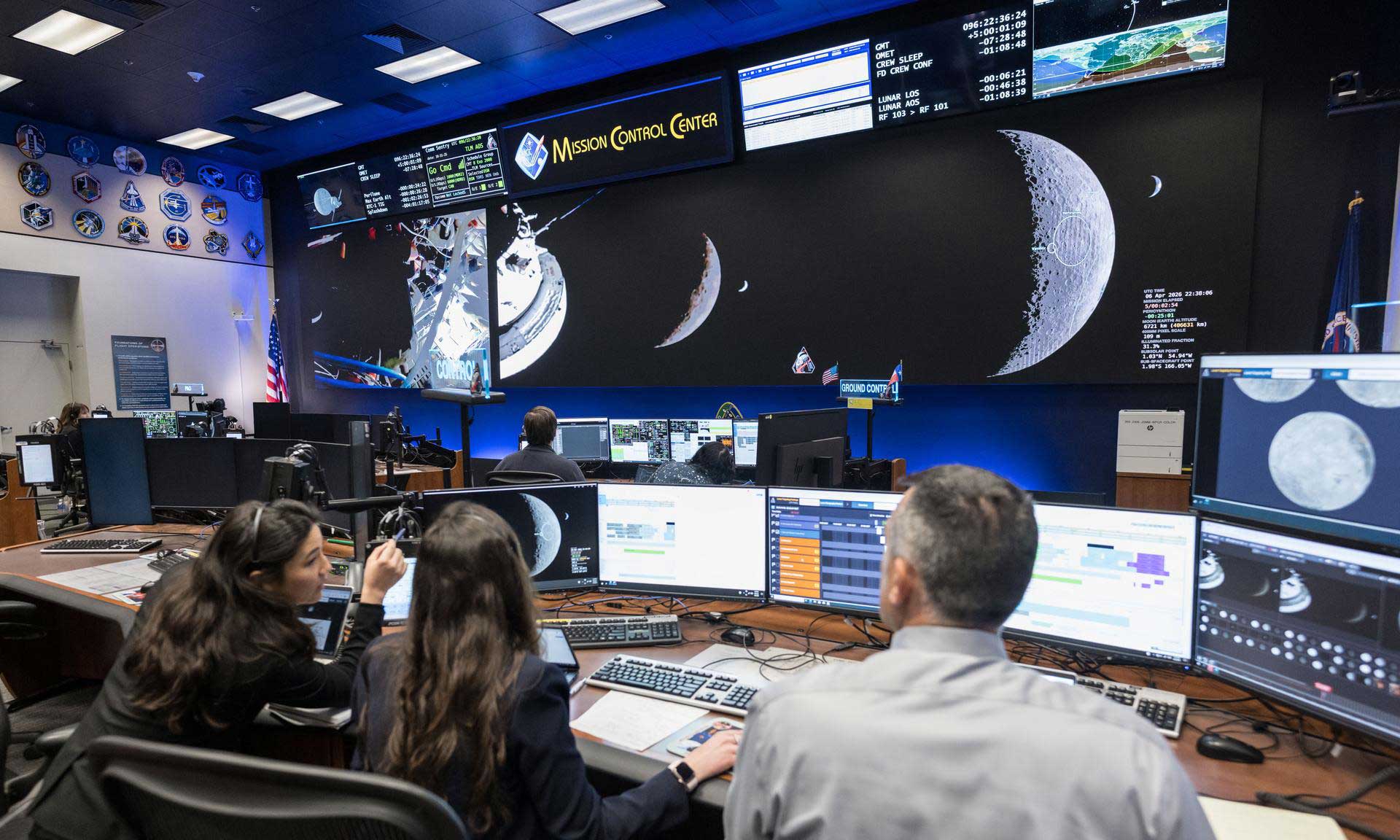
Their experiences teach us that faith is not a hindrance to science, but the ultimate fulfillment of it. When we look up at the moon, we are reminded of Psalm 8:3-4: “When I consider thy heavens, the work of thy fingers, the moon and the stars, which thou hast ordained; What is man, that thou art mindful of him?” The Artemis II crew carries our prayers and our potential, proving that the most important distance traveled isn’t the miles between Earth and the moon, but the journey from the head to the heart.
Main Image Credit: NASA
For more related reading, view “Science Suggests a Creator of the Universe.”